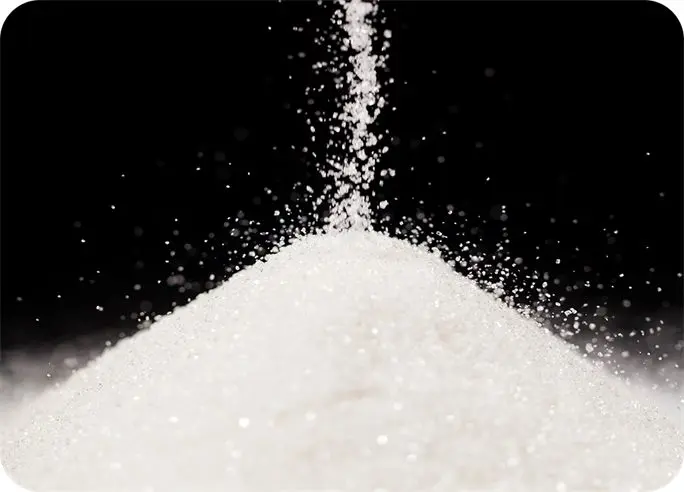
Potassium chloride (KCl) is a potassium salt that forms white crystals and dissolves readily in water. The same compound is used in very different places — from oil-well drilling fluids to pharmaceutical ingredients. What sets them apart is the grade: the purity level and impurity limits defined for each use.
Choosing the right grade is not a matter of “purer is always better”. A grade that is too low may fail process or regulatory requirements, while one that is too high means paying for purity you do not need.
Standard Grade
This is the grade most widely used in the oil & gas industry and general industry. Typical specifications: a minimum KCl purity of 97%, a minimum Kâ‚‚O content of 61.2%, and a maximum moisture content of 1%.
In drilling, KCl is dissolved into the drilling fluid to help stabilise shale formations that swell on contact with water. Because it is used in large volumes, this grade is usually supplied in 25 kg and 50 kg bags as well as 1,000 kg jumbo bags. See Potassium Chloride Standard Grade.
Technical / Industrial Grade
Technical Grade has a higher purity — at least 99% KCl — with tighter impurity limits, for example a maximum of 0.3% sodium, 1,200 mg/kg bromide and 5 mg/kg heavy metals (as Pb). It is chosen for industrial processes that are sensitive to impurities, such as chemical processing feedstock. Browse the Industrial category.
Food Grade
Food Grade is intended for the food industry. Besides an assay of at least 99%, its safety parameters are checked in more detail: heavy metals of no more than 5 mg/kg, iodide/bromide tests, and limits on loss on drying and insoluble matter. In food processing, KCl is used among other things as a partial replacement for table salt to reduce sodium content. Its use must still follow the applicable food safety regulations. See the Food Grade category.
Pharma Grade
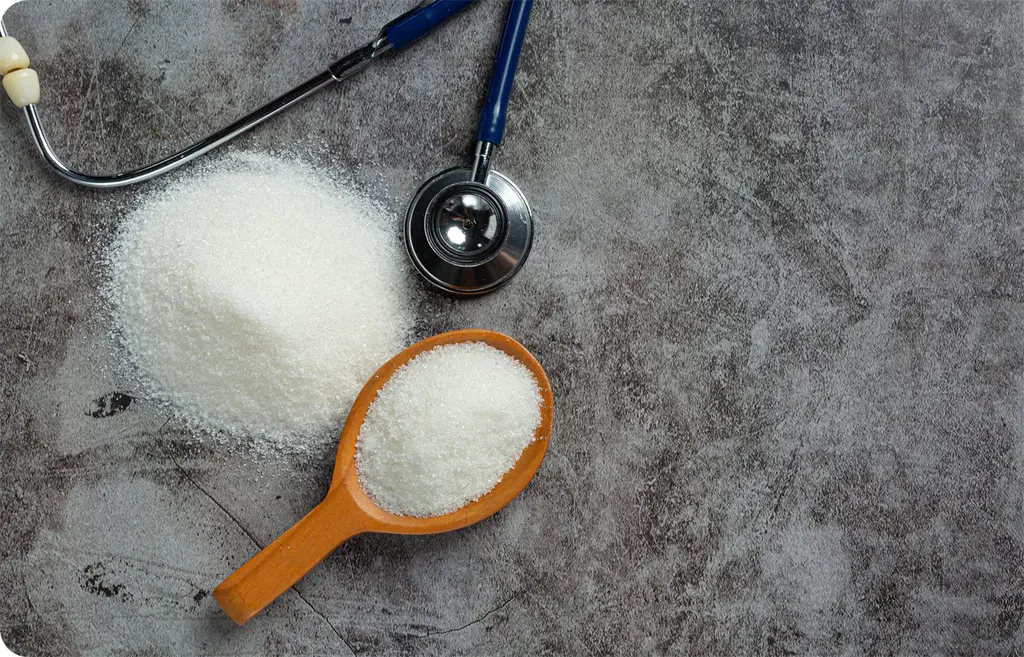
This is the highest-purity grade: 99.9% KCl (calculated on the dried substance), with limits of 40 mg/kg sodium, 10 mg/kg magnesium, 5 mg/kg calcium and 20 mg/kg sulphate. Pharma Grade is used by pharmaceutical manufacturers as a raw material, for example in electrolyte preparations used to treat low blood potassium (hypokalaemia). Medical use always goes through drug manufacturers and healthcare professionals. See Potassium Chloride Pharma Grade.
Feed Grade
In animal feed, KCl can serve as a potassium source in feed formulations. This grade must meet feed-ingredient safety requirements — not just a purity figure — so technical-grade KCl should not be used as a substitute.
How to choose the right grade
- Start from the application. Industrial processes, food, pharmaceuticals and feed each have different requirements.
- Check the parameters that matter for your process, not just the purity figure — for example sodium, bromide, heavy metals or moisture.
- Ask for a Certificate of Analysis (CoA) for every batch and compare it with the specification you need.
Full specifications for each grade can be downloaded from its product page. If you are unsure which grade fits, contact our team — we will help match it to your needs.